How to Take Care of Your Car in Pakistan's Heat, Dust and Monsoon
Why Car Care Works Differently in Pakistan
A car in Pakistan lives a harder life than its owner's manual assumes. Fine dust settles daily, summer sun bakes it above 40°C, and the monsoon drives it through water full of silt and sewage.
Anyone who has parked on a Lahore street in June, or crossed a flooded Karachi underpass in August, has seen faded roofs, cracked dashboards and rusting wheel arches.
Most of that damage is preventable. What follows covers paint, underbody, engine bay, tyres and cabin, plus a routine that fits a normal week.
Protect the Paint From Sun and Dust
Sunlight and heat slowly break down the clear coat, the transparent layer that keeps colour deep. Once it turns chalky, polishing can only do so much.
Four habits help:
- Park in shade whenever possible.
- Wax or seal the paint every two to three months so the wax, not the clear coat, takes the punishment.
- Remove bird droppings and tree sap the same day; both etch paint fast in hot sun.
- Only cover a clean car. A cover over a dusty body rubs grit into the paint whenever the wind moves it.
Washing Safely With a Pressure Washer
Most swirl marks start during washing, and the cause is usually technique, not equipment. Used properly, a pressure washer reduces scratching because it lifts grit before a mitt touches the paint.
- Fit the wide tip. The 40-degree (white) nozzle suits paint; the 25-degree (green) tip suits wheels and muddy arches.
- Never use the 0-degree (red) jet on the body. Its pinpoint stream can cut paint, trim and tyre sidewalls.
- Keep a safe distance. Hold the lance at least 30 cm from paint, further from rubber seals, badges and chips.
- Rinse from the top down. Start at the roof so dirty water runs onto panels not yet cleaned.
Above all, never dry-wipe dust off the car. Pakistani road dust is fine mineral grit, and a cloth or duster drags it across the paint like sandpaper.
Owners choosing a home machine can compare bar ratings and hose lengths across the Hyundai pressure washer range.
Rinse the Underbody After Monsoon Rain
Monsoon water is rarely clean. Floods carry silt and sewage that lodge in wheel arches, sills and around brake lines, holding moisture against bare metal.
Rinse the underside within a day or two of driving through standing water. A pressure washer on the 25-degree tip reaches into the arches and along the sills far better than a bucket.
After deep water, press the brake pedal gently a few times to dry the pads. Avoid water above the centre of the wheels altogether; if it reaches the air intake, the engine can be badly damaged.
Treat the Engine Bay Gently
A clean engine bay makes leaks easier to spot, but it is full of electrics that dislike water. The rule: a light rinse, never a blast.
- Let the engine cool completely first.
- Cover the alternator, fuse box, air intake and battery terminals with plastic bags.
- Brush degreaser onto oily areas, then rinse with a gentle garden-hose spray.
- Remove the bags, leave the bonnet open, then idle the engine for a few minutes to dry it.
Check Tyre Pressure Monthly, When Cold
Air expands as it warms, so a tyre checked after a drive on a 45°C Lahore afternoon reads higher than its true cold pressure.
Check pressure once a month, in the morning or after the car has been parked for about three hours. Use the figure on the driver's door-jamb sticker, not the maximum printed on the sidewall.
Never let air out of a hot tyre to hit the cold figure; it will be underinflated once it cools. While there, check the sidewalls for sun cracks.
Shield the Interior From Heat and Dust
A car parked in summer sun gets far hotter inside than outside, and dashboards crack and fade under that heat. A windscreen sunshade is the cheapest fix.
Wipe the dash with a damp microfibre cloth and a non-greasy UV protectant. Never leave power banks, lighters or aerosol cans in a parked car in summer.
Vacuum carpets and seats weekly, and check the cabin air filter at every service; in dusty cities it can clog well before the printed interval.
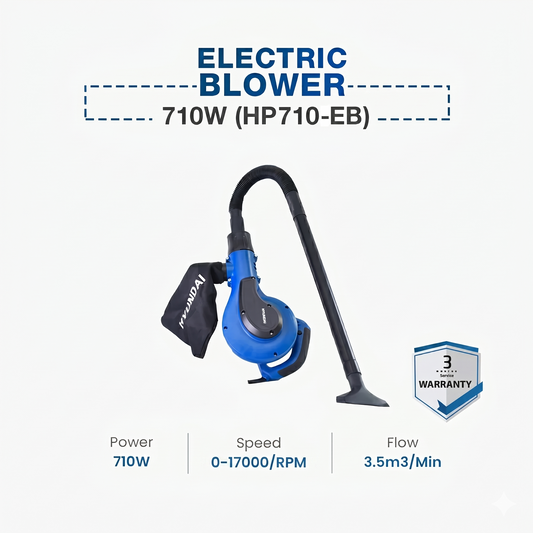
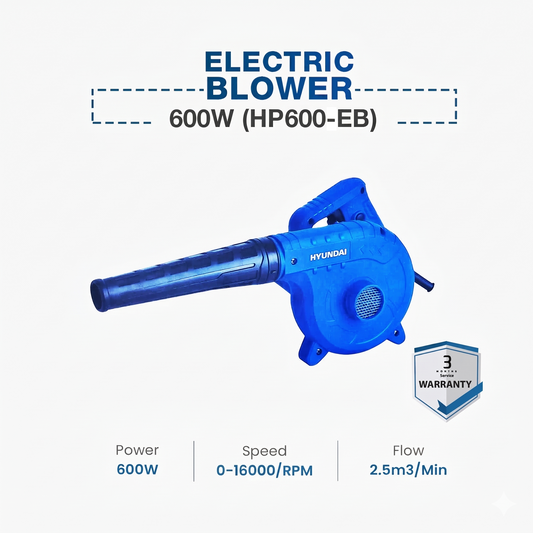
Vents, seat rails and the gaps around the gear lever are harder to vacuum. A handheld electric blower clears that trapped dust quickly and chases water out of mirrors and door handles after a wash.
A Simple Weekly and Monthly Routine
Spread across the month, it looks like this:
| When | Task |
|---|---|
| Weekly | Rinse off dust, vacuum the cabin |
| Monthly | Check tyre pressure cold, clean the dashboard |
| Every 2 to 3 months | Wax the paint, light engine-bay clean |
| After floods | Rinse underbody and arches, test brakes |
| Every service | Check the cabin air filter |
| Habit | How |
|---|---|
| Rinse dust off first | Never dry-wipe paint |
| Use the 40-degree tip | At 30 cm or more, never the red jet |
| Flush the underbody | Within two days of floodwater |
| Cover engine electrics | Rinse lightly |
| Check tyres monthly | Cold, against the door-jamb figure |
Frequently Asked Questions
How often should a car be waxed in Pakistan?
Every two to three months suits most cars, since strong sun and dust wear protection off faster. Water that stops beading on the paint is a sign the wax has gone.
Can a pressure washer damage car paint?
Yes, with the wrong nozzle or at close range. With the 40-degree tip held 30 cm or more away it is safe on sound paint, but keep the jet off chips, seals and badges.
Is it safe to wash a car's engine bay?
Yes, if the engine is cold, the electrics are covered and the rinse is gentle. A garden-hose spray is enough; high pressure can force water into connectors.
Why does tyre pressure read higher in the afternoon?
Heat from the road, the sun and driving warms the air inside the tyre, and warm air expands. That is why pressure should be checked cold, in the morning, against the door-jamb figure.
What should be done after driving through a flooded road?
Press the brakes gently to dry them, then rinse the underbody and wheel arches within a day or two. If water rose above the centre of the wheels, have a mechanic check the air filter and intake before normal use.
By the Hyundai Power team — home power, cooling & lighting specialists serving Pakistani households.